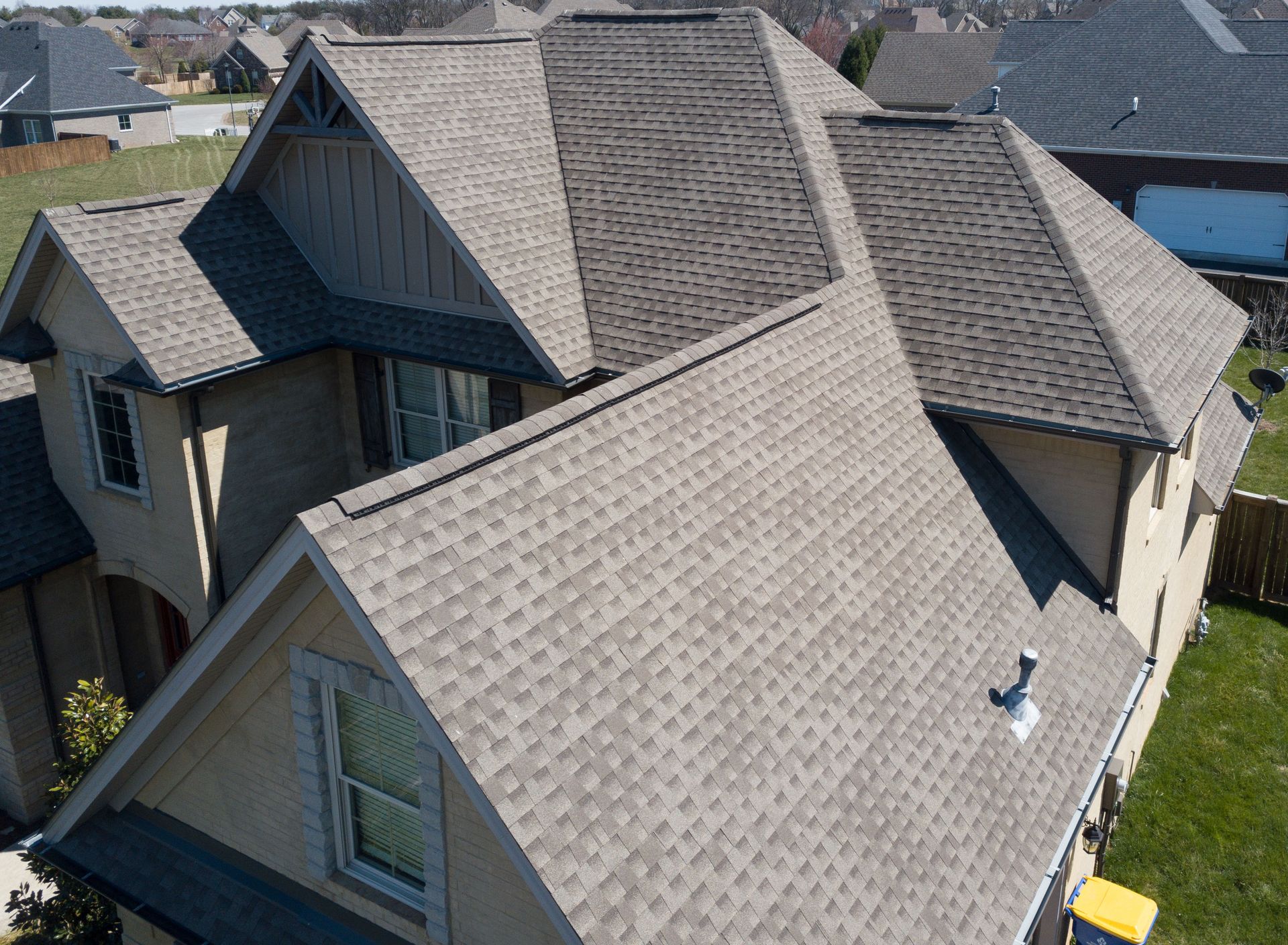
A roof helps protect a property from rain, wind, sunlight, and changing temperatures. Over time, exposure to these conditions can cause wear that affects its ability to keep water and outside air from entering the building. Regular inspections, timely repairs, and attention to warning signs can help property owners maintain their roofs and address problems before they become more serious. Understanding how a local roofing specialist can protect your roof can help you recognize potential issues, plan for maintenance, and make informed decisions about repairs.
Identifying Early Signs of Roof Damage
Roof damage does not always begin with a major leak or a visible hole. Small changes can develop gradually, making it important to recognize signs that a roof may need attention. Missing, cracked, or curling shingles can indicate wear or damage that may leave parts of the roof exposed to moisture. These problems can become more serious when rain or strong winds affect the damaged areas. Other warning signs may appear inside the property. Water stains on ceilings or walls can point to moisture entering through the roof or another part of the building. These stains may appear as discolored patches, peeling paint, or marks that grow after rainfall. While the exact cause may not be obvious, the signs should be assessed before the affected areas experience further damage.
A local roofing specialist can inspect visible concerns and help determine whether repairs are needed. The inspection may include checking roofing materials, flashing, drainage areas, and other parts that help keep water out. Identifying problems early can help limit the amount of repair work required and reduce the risk of moisture affecting interior surfaces. Property owners should also watch for granules collecting in gutters. Asphalt shingles contain granules that help protect their surfaces from sunlight and weather. Some granule loss can occur as a roof ages, but a noticeable increase may indicate wear. Seeking professional help when these signs appear can provide a clearer understanding of the roof's condition.
Scheduling Regular Roof Inspections
Regular roof inspections help identify wear, damage, and other concerns that may not be easy to see from the ground. Weather exposure, aging materials, and normal use can gradually affect roofing components. Inspections provide an opportunity to evaluate these conditions and determine whether maintenance or repairs may be needed. During an inspection, a roofing professional may examine shingles or tiles, flashing, roof edges, drainage areas, and other visible components. The goal is to identify conditions that could allow water to enter or affect the roof's performance. The inspection may also reveal areas where materials have loosened, cracked, or deteriorated.
The timing of inspections depends on the roof's age, condition, and exposure to severe weather. An inspection may be especially useful after a strong storm, when high winds or flying debris could have damaged roofing materials. Older roofs may also benefit from closer attention because years of exposure can increase the likelihood of wear. Working with a local roofing specialist can help property owners understand the condition of their roofs and prioritize any necessary work. An inspection does not prevent every roofing problem, but it can help identify visible concerns before they develop into larger issues. Keeping track of inspection findings can also help property owners plan future maintenance and budget for repairs.
Maintaining Shingles and Tiles
Shingles and tiles form an important part of the roof's protective surface. They help direct water away from the underlying structure and protect the building from changing weather conditions. When these materials crack, loosen, or go missing, the exposed areas may become more vulnerable to moisture and other forms of damage. According to RubyHome, asphalt shingles are the most common roofing material, used in roughly 80% of roofing projects. Their widespread use makes shingle condition an important consideration for many property owners. Over time, exposure to sunlight, rain, wind, and temperature changes can cause shingles to lose granules, curl, crack, or become loose.
Tile roofs can also develop problems as materials age or experience impact from falling branches and other debris. Cracked or displaced tiles may create openings where water can reach the layers beneath the roof's surface. The condition of the supporting materials and nearby flashing may also affect how well the roof sheds water. Shingle and tile replacement can address damaged sections and help restore the roof's protective surface. The amount of work required depends on the number of affected materials, the location of the damage, and the condition of the surrounding roof. A professional assessment can help determine whether limited replacement is appropriate or whether more extensive repairs are needed. Seeking professional help when roofing materials show signs of damage can help prevent small problems from spreading. Timely attention also gives property owners a clearer picture of the roof's remaining condition and any maintenance that may be needed.
Addressing Storm-Related Damage
Severe weather can place significant stress on a roof. Strong winds may lift or remove shingles, while hail and flying debris can damage roofing materials. Heavy rain can also reveal existing weaknesses by allowing water to enter areas that were previously protected. Some damage from storms is easy to notice, such as missing shingles or fallen branches resting on the roof. Other problems may be less obvious. Materials can loosen without falling away, flashing may become damaged, and small openings can allow moisture to enter the roof structure. These concerns may not cause an immediate leak but can lead to further damage if left unaddressed.
Storm damage restoration begins with assessing the roof's condition and identifying areas that need attention. Depending on the findings, repairs may involve replacing damaged materials, addressing flashing problems, or correcting other conditions that allow water to enter. The goal is to restore the roof's protective function and reduce the risk of continued damage. A local roofing specialist can evaluate visible storm-related concerns and explain the next steps. Property owners should arrange an assessment after severe weather, particularly when they notice missing materials, leaks, or debris damage. Any insurance documentation should be handled according to the property owner's policy requirements, and photographs or inspection findings may help record the condition of the roof.
Reducing Moisture and Interior Damage
A roof that allows water to enter can affect more than the exterior of a building. Moisture may spread into insulation, ceilings, walls, and other interior areas. If the problem continues, it can contribute to damaged finishes, unpleasant odors, and conditions that may support mold growth. Water stains on ceilings or walls are common warning signs that should not be ignored. These marks may become darker after rainfall or expand over time. While plumbing problems and other building issues can also cause stains, a roof inspection may help determine whether the roof is contributing to the problem.
Leaks can develop around damaged shingles, flashing, roof openings, or areas where roofing materials have separated. Water may travel away from the entry point before becoming visible indoors, which can make the source difficult to identify. Repairing only the visible stain will not resolve the underlying cause if moisture continues to enter. Seeking professional help can clarify where water may be entering and what repairs are needed. A roofing professional can assess the exterior areas related to the leak, while any damaged interior materials may require separate attention. Addressing moisture concerns promptly can help limit further damage and reduce the chance of more extensive repairs.
Protecting a roof involves recognizing warning signs, arranging inspections, maintaining roofing materials, and addressing damage after severe weather. Missing or damaged shingles, water stains, granule buildup, higher energy costs, visible daylight, and sagging sections can all signal the need for further evaluation. Acting on these concerns can help limit damage and support the roof's long-term performance. Contact T.A. Marsh Roofing to discuss how a local roofing specialist can help protect your roof and address your property's roofing needs.